

How to Nail Your Investor Pitch
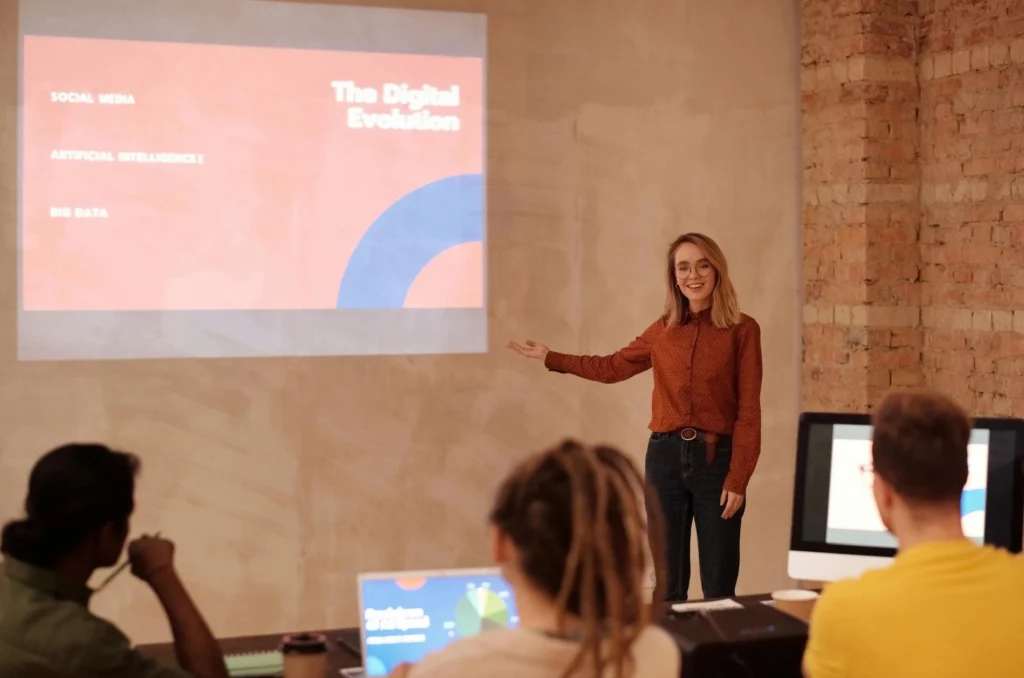
Pitching to investors isn’t about drowning them in numbers or showing off a fancy slide deck. It’s about storytelling—the kind that hooks them in and makes them believe in your vision as much as you do. Think of your pitch like a great movie trailer: intriguing, packed with highlights, and leaving them wanting more.
1️⃣ Grab Their Attention—Fast
You have about 30 seconds before an investor mentally checks out. Start strong with something that makes them lean in—a shocking stat, a bold claim, or a quick personal story. For example:
👉 “Every year, businesses lose $1 trillion due to outdated workflows—we’re here to change that.”
The goal? Set the stage and make them curious. If they’re asking, “Wait, tell me more…” you’re doing it right.
2️⃣ Show Them the Money (But Make It Engaging) 💰📊
Yes, investors love numbers, but not just any numbers. They need data that tells a compelling story. Instead of dumping stats, frame them in a way that paints a picture:
❌ “The market is worth $50 billion.”
✅ “This is a $50 billion market, and we’re positioned to own 5% of it within three years.”
Use visuals (charts, graphs, even a quick demo) instead of walls of text. And most importantly, be realistic—investors can smell over-exaggeration from a mile away.
3️⃣ Be Authentic & Memorable 🏆
Investors aren’t just investing in your business; they’re investing in you. They want to know you’re resilient, adaptable, and driven. Talk about the challenges you’ve faced and what you’ve learned. Show passion, but don’t overhype—confidence is powerful, but so is honesty.
Also, ditch the robotic, over-rehearsed script. Keep it conversational, as if you were explaining your startup to a smart friend over coffee. ☕
4️⃣ Close with a Clear Ask 🎯
End your pitch with energy and clarity. Don’t leave investors wondering what you want from them—tell them!
✅ “We’re raising $250K to bring this product to market in six months. With your support, we can revolutionize [industry].”
Make them feel like they’d be missing out if they don’t invest. That’s the sweet spot.
Pitching is a skill, and like any skill, it gets better with practice. Keep refining, keep storytelling, and most importantly—keep believing in your vision. 🔥💡
What’s been your biggest challenge in pitching? Drop a comment! ⬇️👇